India's embassy for Yemen has evacuated 19 Indian seafarers who were stranded in Yemen. They were stuck in the port city of Hodeidah and in the capital, Sana'a, for about two weeks. The embassy announced it on X on 8 November 2026.
"All seafarers are safe, in good health, and on their way back to India," the embassy wrote. It thanked everyone who helped with the evacuation. The post below is the embassy's own statement.
Post on X
Loading it connects to X, which may set cookies and see your visit. See our Privacy policy.
What is not known
The embassy did not say which ships the seafarers worked on. It also did not say why they were stuck or how they left Yemen. Its post did not say when they would arrive in India.
On 22 October, a yacht with 14 Indian sailors on board was hit near Zuqar Island in the southern Red Sea. The embassy later said reports showed all 14 were safe near Hodeidah. Read our report on the 14 Indian sailors near Zuqar Island. It is not clear if those 14 are among the 19 now evacuated, the news agency PTI reports in The Hindu.
Why the area is risky
Fighting between Saudi Arabia and Yemen's Houthi group has grown again in recent days, PTI reports. On 9 November, India's public radio Akashvani reported a new claim. The Saudi-led coalition said it stopped two Houthi ballistic missiles fired towards Riyadh.
The IMO Council met in London from 2 to 6 November. It strongly condemned Houthi attacks on merchant ships and their crews in the Red Sea and the Bab al-Mandab Strait. This strait links the Red Sea and the Gulf of Aden.
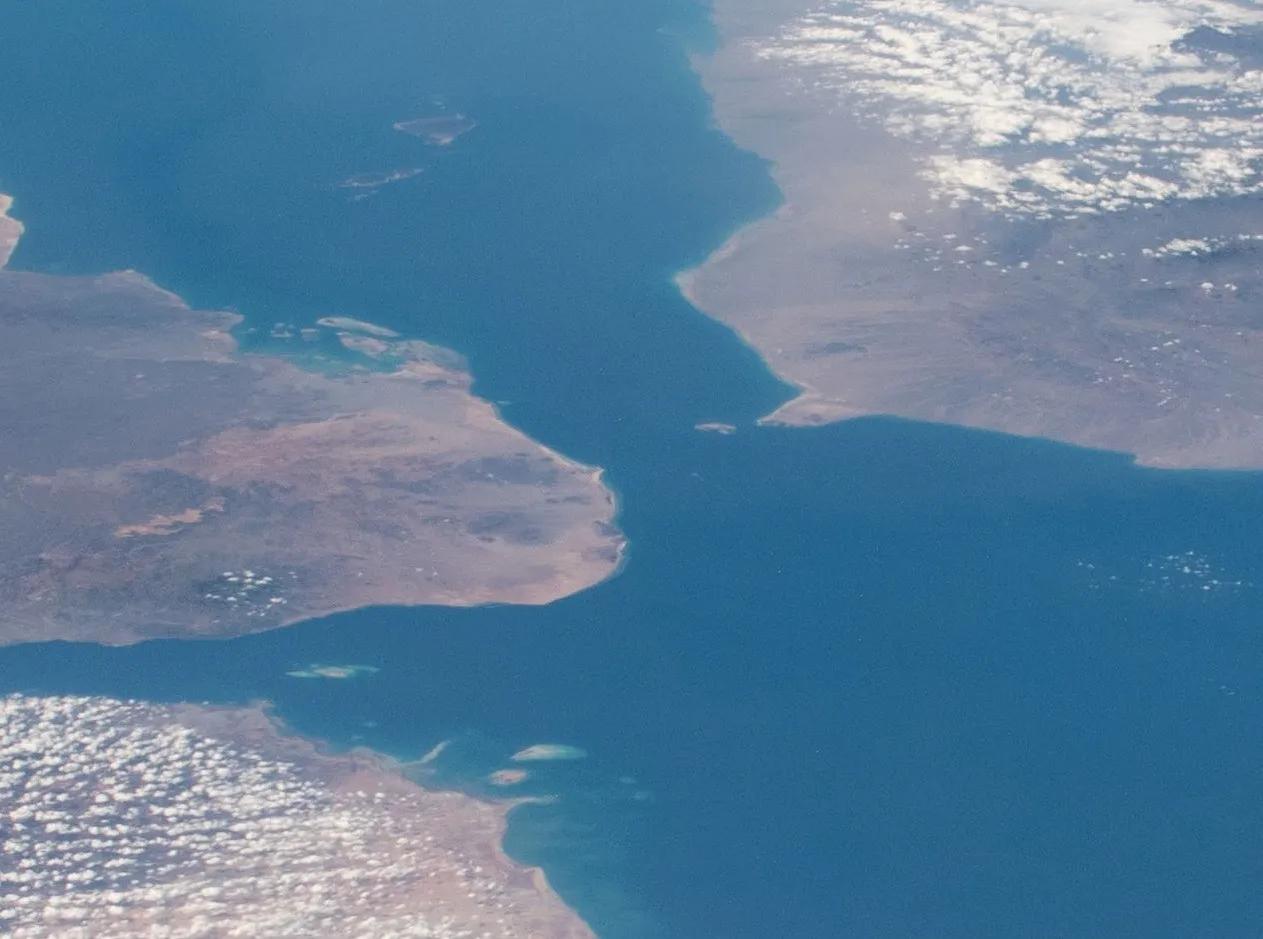
India's Directorate General of Maritime Administration (DGMA, formerly DG Shipping) warned about these waters in Circular 42 of 2026, dated 23 July. It covers Indian-flagged ships and foreign-flagged ships with Indian seafarers near Yemen, in the Bab al-Mandab and in the southern Red Sea. It asks them to take "the highest degree of caution".
What to do if you are stuck in a port in a conflict area
Tell your company, your manning agency and the Master at once. Ask in writing when and how you will sign off and go home. Keep copies of all messages.
Indian seafarers can ask the DGMA communication centre (DGCOMM) for emergency help. Email dgcommcentre-dgs@nic.in, or call or WhatsApp +91 86575 49760, Circular 42 says.
Contact your country's embassy for the country you are in. Give your name, passport number, ship name and exact location. Ask your family to contact the foreign ministry at home too.
Ships near Yemen should report any security incident or suspicious activity to DGCOMM through e-NAVIK, the circular says. e-NAVIK is India's online ship reporting system. They should also tell the flag state and the coastal state.
The Maritime Labour Convention (MLC) protects you if the owner abandons you. This is when the owner does not pay for your trip home. It is also when you are left without food, water and care, or without wages for two months.
If that happens, contact an ITF inspector or email abandonment@itf.org.uk, as the ITF advises. Read our guide on unpaid wages and abandoned ships.
Before you accept a contract, ask if the ship will call at Yemeni ports or sail in the southern Red Sea. Ask what extra pay and protection apply there.
Official helplines and certificate checks are on our useful links for seafarers page.
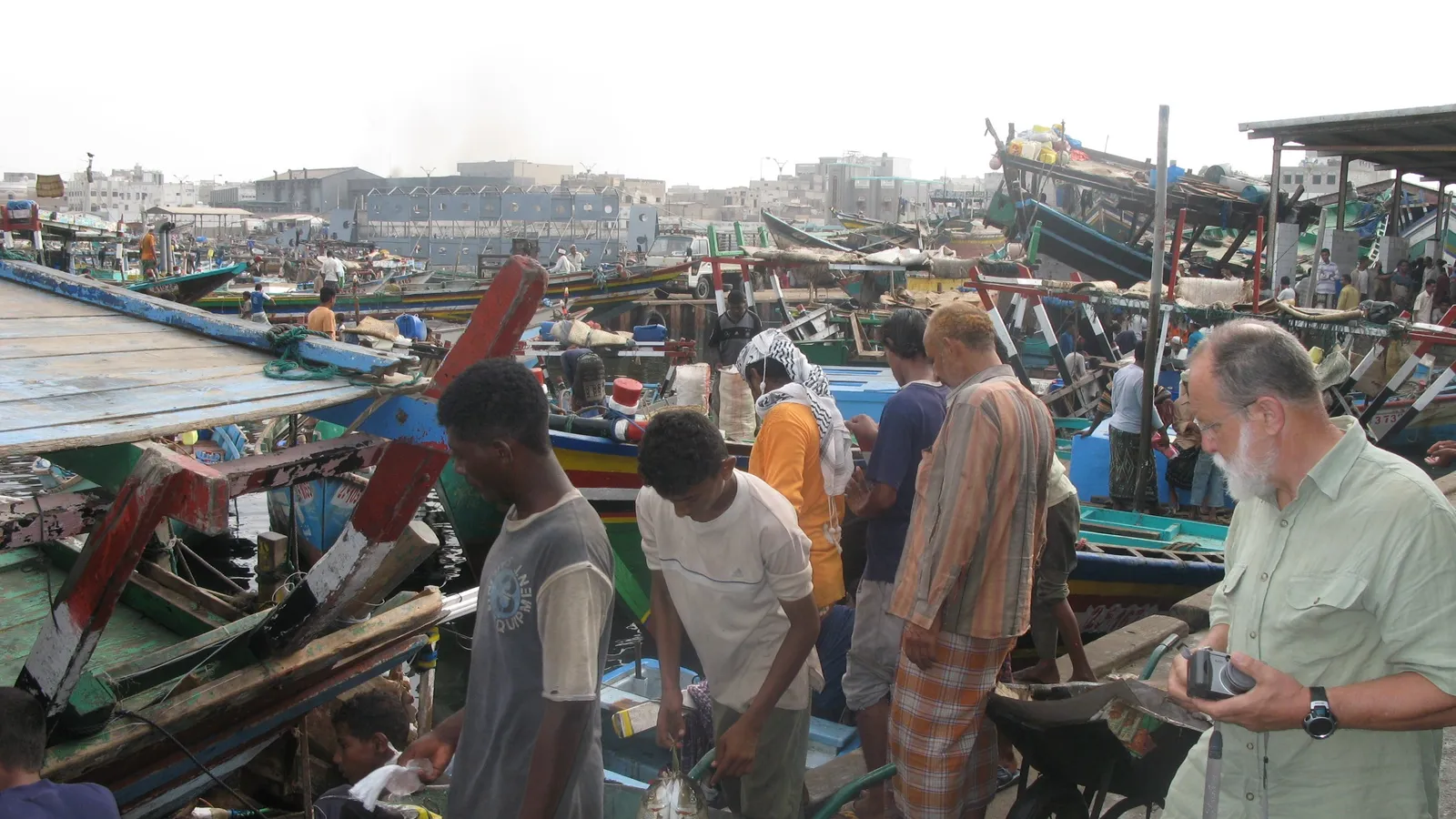
Cover photo: Fishermen and fishing boats in the harbour of Al Hudaydah (Hodeidah), Yemen, in May 2008. Illustrative photo; it does not show the seafarers in this story. Photo: Ljuba brank/Wikimedia Commons, CC BY-SA 3.0.
Sources: Embassy of India to Yemen (@IndiaInYemen) on X: 19 Indian seafarers evacuated from Hodeidah and Sana'a (8 Nov 2026), The Hindu / PTI: 19 Indian seafarers stranded in Yemen evacuated, Embassy says (9 Nov 2026), Akashvani News (News On AIR): India evacuates 19 stranded seafarers from Yemen (9 Nov 2026), DGMA Circular 42 of 2026: Maritime security advisory for Yemen waters, Bab-el-Mandeb and the southern Red Sea (23 Jul 2026), IMO: IMO Council urges stronger protection of seafarers amid threats to global shipping (6 Nov 2026), ITF Seafarers: Wages and abandonment.
How we choose, write and correct our articles: editorial policy.